
Modern Luxury Interior Design Trends for 2026: What Defines the New Elite Home
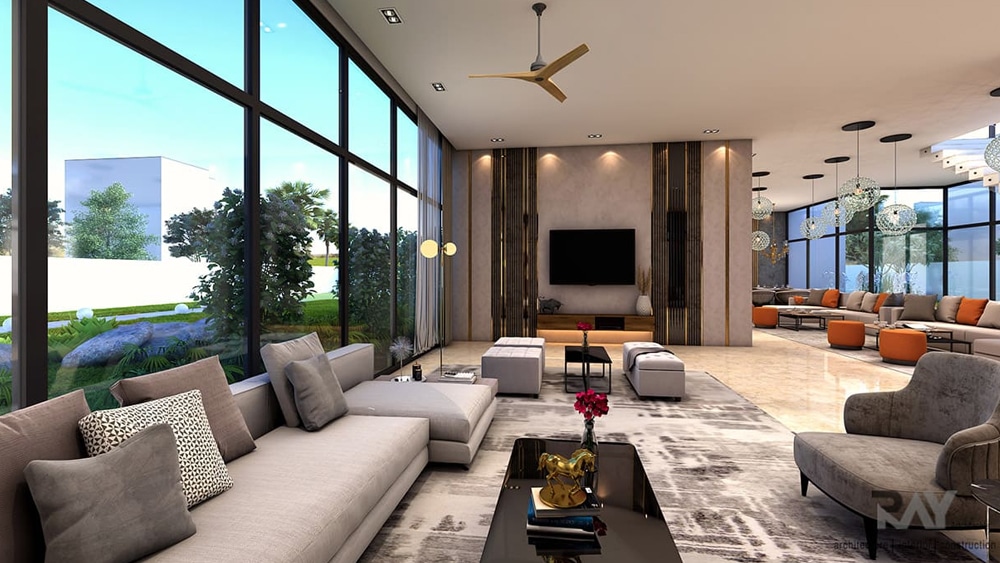
Luxury homes are entering a quieter and more intentional era. The definition of luxury is no longer rooted in visual abundance or decorative excess. Instead, the new elite home is defined by clarity, craftsmanship, and emotional connection to space.
The luxury interior design trends 2026 reveal a decisive shift toward architectural thinking. Homes are being shaped as immersive environments where materials, proportions, and light work together to create experience rather than spectacle.
Across modern luxury interiors India, homeowners are prioritising permanence over short-lived trends. Design is becoming more personal, more refined, and increasingly aligned with lifestyle narratives. High-end home design trends emerging for 2026 indicate that luxury is evolving into something quieter yet more powerful. Spaces feel curated rather than styled, intentional rather than ornamental.
The Evolution of Luxury Living
Luxury interior design has moved through multiple phases. Earlier decades celebrated ornamentation and visual richness. Recent years embraced minimalism. The new direction blends refinement with emotional comfort.
The elite home of 2026 reflects:
- Architectural depth that ensures interiors evolve naturally from spatial structure rather than decorative additions.
- Emotional comfort created through balanced proportions, natural light, and thoughtfully curated materials.
- Bespoke craftsmanship where custom-created elements reflect individuality instead of repetition.
- Technology-driven integration that enhances daily living while remaining subtle and visually unobtrusive.
- Cultural sensitivity that respects lifestyle patterns and regional context while embracing contemporary design.
Ultra luxury home interiors are becoming environments designed to age gracefully, adapting to evolving lifestyles while maintaining timeless character.
Trend 1: Architecture-Led Interiors
One of the most defining luxury interior design trends 2026 introduces is the disappearance of boundaries between architecture and interiors.
Designers increasingly begin with spatial structure rather than decoration.
Key characteristics include:
- Sculpted ceilings aligned with structural geometry, creating continuity between architecture and interior experience.
- Built-in furniture integrated into architectural planning, allowing spaces to feel seamless and intentional.
- Continuous material palettes across floors and walls to maintain visual harmony throughout the home.
- Staircases designed as architectural sculptures, becoming defining spatial elements rather than functional connectors.
Architectural interior design trends emphasise unity. Interiors no longer feel layered after construction. They evolve together with the building itself, especially in contemporary luxury homes India where spatial storytelling guides planning.
Trend 2: Quiet Luxury and Refined Minimalism
Minimalism is evolving into a warmer and more expressive philosophy.
Quiet luxury focuses on restraint, subtle detailing, and material richness rather than visual dominance.
Design elements include:
- Neutral tonal palettes that create calm environments while allowing materials to take visual prominence.
- Soft textural contrasts combining stone, wood, and fabric to introduce depth without visual excess.
- Balanced proportions that prioritise spatial harmony over decorative density.
- Reduced visual clutter enabling architecture and craftsmanship to become the focal point.
Modern luxury interiors India increasingly embrace calm atmospheres where design does not compete for attention but leaves a lasting impression.
Trend 3: Bespoke Craftsmanship Returns
Mass-produced interiors are gradually being replaced by handcrafted detailing.
Bespoke interior design trends highlight individuality through custom-created elements such as:
- Hand-finished stone installations
- Custom joinery aligned with architectural lines
- Individually designed lighting compositions
- Art-integrated architectural surfaces
In premium villa interiors 2026 projects, craftsmanship becomes the defining signature of luxury. Each element reflects intention and human skill rather than repetition.
Trend 4: Natural Materials and Authentic Textures
Material authenticity is central to high-end home design trends.
Natural materials introduce depth, warmth, and permanence while allowing spaces to evolve visually over time.
Common selections include:
- Marble and natural stone surfaces
- Textured wood finishes
- Lime plaster walls
- Matte metals and brushed finishes
Luxury interior design trends 2026 favour materials that reveal character gradually rather than remaining visually static. Texture becomes the new expression of elegance.
Trend 5: Technology-Driven Yet Invisible Homes
Technology continues to influence modern homes, yet its presence is becoming increasingly subtle.
Technology-driven integration includes:
- Automated lighting scenes tailored to daily routines
- Climate-responsive environments enhancing comfort
- Integrated audiovisual systems concealed within architecture
- Smart shading solutions aligned with natural light cycles
The principle remains refined simplicity. Technology supports experience without dominating visual composition. In ultra luxury home interiors, technology disappears into architectural detailing, allowing homes to feel intuitive rather than technical.
Trend 6: Wellness-Oriented Spatial Design
Luxury homes are increasingly designed around wellbeing and emotional balance.
High-end home design trends now incorporate:
- Natural light optimisation through thoughtful window placement and layered lighting strategies.
- Indoor greenery integration connecting interiors with nature and improving psychological comfort.
- Acoustic comfort planning that reduces noise and enhances calm living environments.
- Dedicated wellness or meditation spaces designed for relaxation and mental clarity.
Modern luxury interiors India reflect a growing understanding that true luxury lies in how spaces make occupants feel every day.
Trend 7: Fluid Indoor–Outdoor Living
The boundary between interior and exterior spaces continues to dissolve.
Design approaches include:
- Outdoor lounges aligned with interior living areas, allowing seamless spatial transitions.
- Landscape views framed architecturally to enhance openness and visual continuity.
- Natural ventilation strategies improving comfort while reducing reliance on artificial systems.
Contemporary luxury homes India increasingly treat nature as an extension of interior experience.
Trend 8: Sculptural Lighting as Design Language
Lighting in 2026 becomes architectural rather than decorative.
Layered lighting strategies define spatial hierarchy:
- Ambient lighting establishing atmosphere
- Accent lighting highlighting texture and materials
- Feature lighting acting as sculptural focal elements
Lighting becomes a storytelling tool that shapes perception, movement, and emotional experience within a home.
Trend 9: Personalisation Over Trend Adoption
Perhaps the most significant shift among luxury interior design trends 2026 is the movement away from universal design formulas.
Elite homeowners increasingly seek environments reflecting personal journeys.
Bespoke interior design trends emphasise:
- Custom art integration
- Personal material narratives
- Tailored spatial layouts
- Lifestyle-driven planning decisions
Homes evolve into deeply personal environments rather than expressions of temporary trends.
Trend 10: Timeless Sustainability
Sustainability in luxury design now focuses on longevity rather than visible eco-statements.
Design decisions prioritise:
- Durable material selections chosen for longevity and graceful ageing.
- Energy-efficient lighting systems balancing sustainability with refined ambience.
- Passive cooling strategies integrated through architectural planning.
- Long lifecycle planning ensuring homes remain relevant for decades.
Luxury interior design trends 2026 redefine sustainability as timelessness. A home that endures naturally becomes sustainable.
What Defines the New Elite Home
The elite home of 2026 is defined by balance.
It is architecturally grounded, emotionally resonant, materially refined, technologically intuitive, and deeply personal.
Modern luxury interiors India demonstrate that luxury is moving toward authenticity rather than excess. Spaces are quieter yet more meaningful. Design becomes experiential rather than performative.
The Future of Luxury Interior Design Beyond 2026
Looking ahead, luxury interiors will increasingly function as integrated ecosystems where architecture, interiors, landscape, and technology operate seamlessly together.
High-end home design trends suggest future homes will emphasise adaptability, allowing spaces to evolve while maintaining visual coherence.
Luxury will be defined not by visual impact alone but by how effortlessly a home supports everyday living.
Conclusion
The luxury interior design trends 2026 signal a transformation in how elite homes are imagined and experienced.
From architecture-led planning to bespoke craftsmanship and invisible technology integration, modern luxury interiors India are moving toward refined simplicity and deeper meaning.
The new elite home is not designed for immediate impression. It is designed to endure, evolve, and reflect individuality over time.
Luxury, in its truest form, is felt gradually through experience, intention, and thoughtful design.
FAQs
What are the key luxury interior design trends 2026 highlights?
Architecture-led interiors, quiet luxury aesthetics, bespoke craftsmanship, natural materials, wellness-focused planning, and technology-driven integration define the major trends.
How are modern luxury interiors India changing?
They are becoming more personalised, architecturally integrated, and emotionally driven rather than focused on decorative grandeur.
Why is bespoke craftsmanship important in luxury homes?
Bespoke craftsmanship ensures originality and alignment between architecture, materials, and lifestyle, creating one-of-one living environments.
Is minimalism still relevant in high-end home design trends?
Yes. Minimalism has evolved into refined minimalism that incorporates warmth, texture, and curated detailing.
How does technology influence luxury interior design trends 2026?
Technology enhances comfort through automation and smart systems while remaining visually subtle and integrated within architectural design.